What is a Part 102 UAOC?
By Rachel SimpsonShare
Key Takeaways
- A UAOC (Unmanned Aircraft Operator Certificate) is the CAA-issued certificate your company needs to fly drones outside the standard Part 101 rules, such as over people, beyond visual line of sight, with drones over 25 kg or spraying.
- The process involves writing an exposition document, submitting it to the CAA for review, and achieving certification, with approval taking 8-10 months once the exposition is submitted.
- Budget from about $5,400 excl GST for a single-pilot operation, plus the CAA's hourly assessment fee, with ongoing annual assessment costs per pilot.
- The UAOC is held by the organisation, not the pilot, and is issued for up to 5 years before it must be renewed.
If your company is considering bringing drone operations in-house — or you already use drones and want to expand what you can do with them — you've likely come across the term UAOC. But what is a UAOC, exactly? And does your business actually need one?
What Is a UAOC?
A UAOC — or Unmanned Aircraft Operator Certificate — is the formal certification issued by the New Zealand Civil Aviation Authority (CAA) that authorises an organisation to conduct drone operations under Part 102 of the Civil Aviation Rules.
Think of it this way: Part 101 sets out the basic rules that anyone can fly a drone under. Part 102 is the framework for organisations that need to go beyond those basic rules. Under the UAOC framework the CAA can grant exemptions to the Part 101 rules (flying over people, or over property without the owner's permission, for example) provided your procedures keep the operation safe to a standard the CAA accepts.
The UAOC is held by the organisation, not by individual pilots. Your pilots will need their own Part 102 certification, but the operator certificate belongs to the company. One or more pilots may fly under it, and it is equally common for a one-person operation to hold its own UAOC.
Who Needs an Unmanned Aircraft Operator Certificate?
Not every business that uses drones needs a UAOC. If your operations fit comfortably within Part 101 rules (within visual line of sight, below 120 metres, not over people without consent, and with a drone under 25 kg) then you can operate without one.
However, your company needs a UAOC if you want to do any of the following:
- Fly over or near people who aren't directly involved in your operation
- Fly a drone with a combined weight over 25kg
- Operate over property without the landowner's permission
- Fly beyond visual line of sight (BVLOS) — where the pilot can't directly see the drone
- Fly above 120 metres above ground level
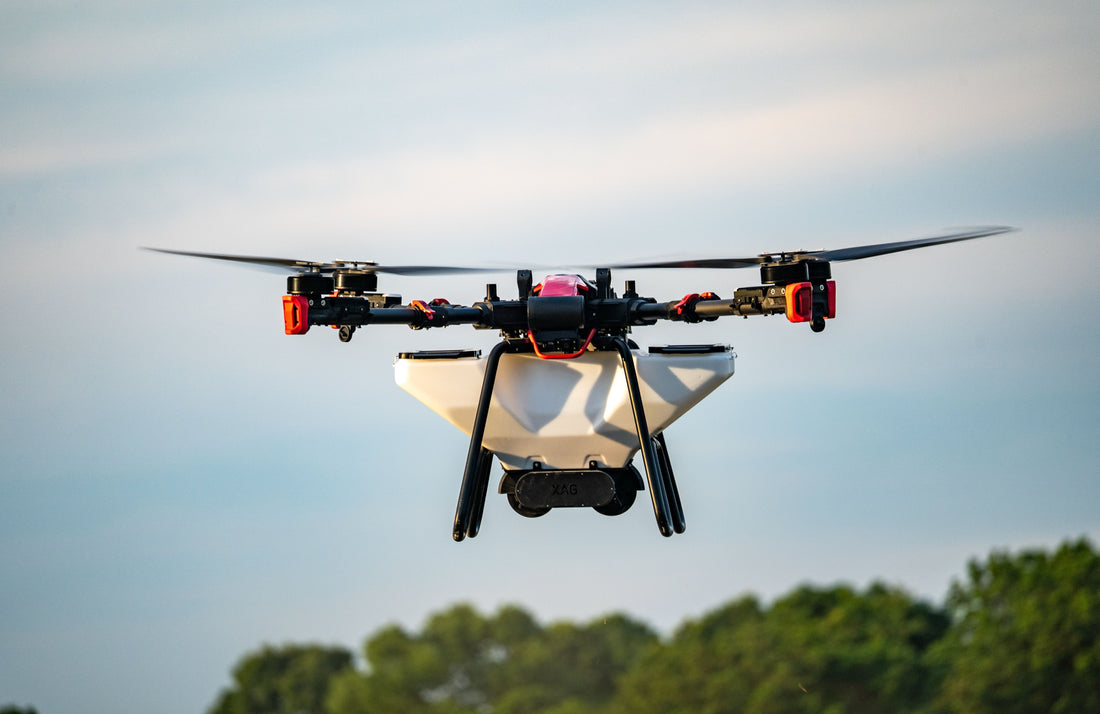
- Agricultural operations including spraying, fertiliser application, and bait dropping
Industries That Commonly Need a UAOC
- Construction and infrastructure — Site monitoring, progress reporting, and inspections over active work areas
- Agriculture — Crop spraying, large-area surveying, and precision agriculture beyond line of sight
- Surveying and mapping — High-altitude photogrammetry and LiDAR operations
- Energy and utilities — Power line and pipeline inspections, often beyond visual line of sight
- Local government and councils — Asset inspections, emergency response, and coastal monitoring
- Film and media — Aerial cinematography over events or populated areas
The UAOC Process: How to Get Certified
Step 1: Write Your Exposition
The exposition is the core document in your UAOC application — essentially your company's operations manual for drone work. It covers:
- Your organisational structure and key personnel
- Standard operating procedures for every type of flight you intend to conduct
- Specific operating procedures for non-Part-101 operations
- Risk assessment and mitigation frameworks
- Maintenance and airworthiness procedures
- Emergency and contingency procedures
- Pilot training and competency requirements
- Record-keeping and reporting systems
The exposition needs to be thorough, specific to your operations, and written to CAA standards. This is where most companies benefit from professional help. DroneTrust provides a full exposition writing service. We don't use an off-the-shelf, one-size-fits-all approach — the exposition is unique to your operation.
Step 2: CAA Review
Once submitted, the CAA reviews your exposition in detail. This typically involves back-and-forth — the CAA may request clarifications, amendments, or additional detail on specific procedures. The CAA charges an assessment fee based on an hourly rate for the time they spend on your documentation.
Step 3: Certification
Once the CAA is satisfied, they issue your UAOC. Your organisation is now authorised to conduct drone operations under Part 102, within the scope defined in your exposition.
Once the exposition is submitted, approval typically takes 8-10 months, mostly time in the CAA's queue, depending on the complexity of your operations and how quickly CAA queries are resolved.
Step 4: Certify Your Pilots
With your UAOC in place, your pilots need a Part 102 Drone Pilot Certificate, such as through DroneTrust's Part 102 course, covering advanced airmanship, operational procedures, and the Part 102 regulatory framework.
Step 5: Ongoing Compliance
Your UAOC isn't a one-and-done achievement. Each pilot flying under your UAOC must pass an Operational Competency Assessment (OCA) every year, which also renews their Part 102 Drone Pilot Certificate.
The exposition itself is a live document. It should not be treated as something to file away once certification is issued — it must reflect how you actually operate, and it needs to be kept current as your operation changes. The UAOC itself is issued for up to 5 years and must be renewed before it expires. The exposition doesn't expire, but it has to be kept current.
How Much Does a UAOC Cost?
Here's a breakdown of the typical costs, excl GST:
| Component | Cost |
|---|---|
| Exposition Writing Service | $3,500 ($2,000 for ADA members) |
| CAA submission fee | $568 |
| CAA assessment | Hourly fee, billed by the CAA |
| Part 102 Drone Pilot Certificate | $1,295 per pilot |
| OCA | $629 per pilot, every year |
For a company with three pilots, the first-year investment excluding GST would typically be:
- Exposition Writing Service: $3,500
- CAA submission and assessment costs: ~$2,000
- Three pilots × $1,295: $3,885
- Total first year: ~$9,385
- Ongoing annual cost (3 × OCA): ~$1,887
Benefits of Having a UAOC
Win More Contracts
Increasingly, tender documents and procurement processes in New Zealand specify that drone operators must hold Part 102 certification. Government agencies, councils, and large corporates are driving this trend. Without a UAOC, your company simply cannot compete for this work.
Operate With Fewer Restrictions
Part 101 imposes limitations that can make commercial drone operations impractical. With a UAOC, your team can fly in conditions and locations that would otherwise be off-limits.
Demonstrate Professionalism
A UAOC signals to clients, partners, and regulators that your organisation takes drone safety seriously.
Reduce Risk
The process forces your organisation to think carefully about risk management, emergency procedures, and operational standards. It genuinely makes your drone operations safer and more reliable.
Common Questions About UAOCs
Can an individual get a UAOC?
A UAOC is issued to an organisation, not an individual. Sole traders can't hold one in their own name, so they set up a company first. Small companies can apply, as long as they have documented procedures and systems in place.
Do I need a UAOC for every type of drone I operate?
Your exposition covers the types of aircraft and operations you intend to conduct. If you add new aircraft or operation types later, you'll need to update your exposition accordingly.
What happens if I fly under Part 102 without a UAOC?
Operating outside Part 101 rules without a UAOC is a breach of civil aviation regulations. The CAA can take enforcement action, and you'd have no legal basis for your operations — which also has serious insurance implications.
Can I start the process while my pilots are still training?
Yes — and this is often the smartest approach. The exposition process takes several months, so beginning it while your pilots complete their Part 102 certification means everything comes together around the same time.
Next Steps: Getting Your Company Certified
DroneTrust can help at every stage:
- Exposition writing service — We write your Part 102 exposition to CAA standards, saving you months of work and increasing your chances of first-time approval.
- Part 102 Certification Course — Prepares your pilots for Part 102 certification.
- Annual OCA assessments — The ongoing competency assessments your pilots need to maintain certification.
Want us to write your exposition for you? Get in touch.


